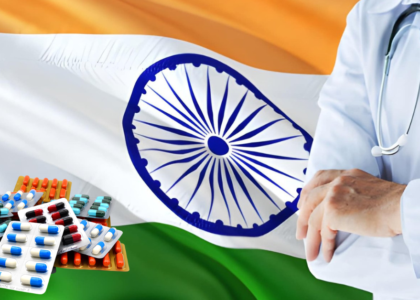




The global pharmaceutical industry has entered a new phase of uncertainty after the United States imposed a steep 100% tariff on imported patented drugs. This bold move, introduced under Section 232 citing national security and supply chain concerns, has triggered mixed reactions worldwide—especially in India, a pharmaceutical powerhouse with a strong presence in the US market.
Understanding the US Tariff Decision
The US government’s decision targets high-value patented medicines, aiming to reduce dependency on foreign manufacturing and encourage domestic production. Companies that fail to align with pricing agreements or invest in US-based manufacturing face the full brunt of the tariff.
However, a critical clarification offers relief to India: generic drugs are currently exempt from these tariffs. This exemption is significant because generics form the backbone of India’s pharmaceutical exports and dominate the US drug market in terms of volume.
Why India Faces a ‘Mixed Impact’
India’s pharmaceutical sector is uniquely positioned. On one hand, the exemption of generics provides immediate stability. On the other, the tariff on patented drugs introduces long-term uncertainties.
1. Short-Term Cushion Through Generic Exports
India supplies a substantial share of generic medicines to the US, accounting for a major portion of its pharma exports. Since these products are excluded from the tariff “at this time,” Indian companies can continue their operations without immediate disruption.
This ensures that affordable medicines—often critical for US healthcare—remain accessible, while Indian exporters retain a steady revenue stream.
2. Pressure on Patented Drug Segment
The real challenge lies in patented and specialty drugs. Indian firms with exposure to innovative or branded medicines could face increased costs and reduced competitiveness in the US market.
Although India is primarily known for generics, several companies have been investing in research-driven products. The new tariff may slow this transition by making exports less viable.
3. Supply Chain Disruptions
India plays a vital role in global pharmaceutical supply chains—not just as a finished drug exporter but also as a supplier of active pharmaceutical ingredients (APIs) and intermediates.
The tariff could disrupt these interconnected systems. Multinational companies might reconsider outsourcing production to India, especially if they are incentivized to shift manufacturing back to the US.
4. Strategic Shift Towards Localization
The policy clearly signals a US push toward “reshoring” pharmaceutical manufacturing. Firms that establish production facilities in the US may benefit from reduced or zero tariffs.
This creates a dilemma for Indian companies: invest heavily in US infrastructure or risk losing market share in the patented segment.
Opportunities Hidden Within the Crisis
Despite the challenges, the situation also presents strategic opportunities for India:
- Strengthening Generic Dominance: With patented drugs becoming more expensive, demand for cost-effective generics may rise, indirectly benefiting Indian exporters.
- Global Market Diversification: Indian pharma companies may accelerate expansion into Europe, Africa, and emerging markets to reduce dependence on the US.
- Boost to Domestic Innovation: The tariff pressure could encourage India to strengthen its own ecosystem for innovation, research, and patented drug development.
Long-Term Risks to Watch
The biggest concern is uncertainty. The US has indicated that the exemption for generics may be reviewed in the future.
If generics are eventually included, the impact on India could be severe, given that a large portion of its pharma exports relies on this segment. Additionally, global trade tensions and retaliatory policies could further complicate the landscape.
Conclusion
The US decision to impose a 100% tariff on patented pharmaceutical imports is more than a trade policy—it is a strategic shift aimed at reshaping global drug manufacturing. For India, the impact is indeed mixed. While the exemption of generics offers immediate relief, the broader implications for innovation, supply chains, and long-term competitiveness cannot be ignored.
Indian pharmaceutical companies now stand at a crossroads. The path forward will require strategic adaptation, global diversification, and a renewed focus on innovation to remain resilient in an increasingly protectionist global environment.