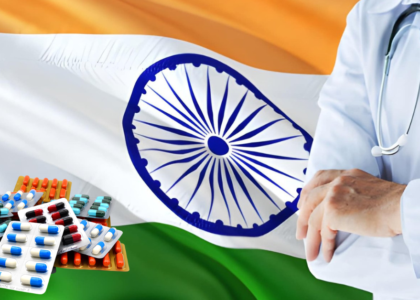


India’s pharmaceutical industry, often called the “pharmacy of the world,” is facing an unusual yet critical challenge—fuel scarcity. A growing shortage of liquefied petroleum gas (LPG), a key industrial input, is raising serious concerns among drug manufacturers about the uninterrupted production of life-saving medicines. What may seem like an energy issue is rapidly evolving into a potential public health crisis.
At the heart of the problem lies the heavy dependence of pharmaceutical manufacturing on LPG and related gases such as propane. These fuels are not just auxiliary resources; they are essential for core processes like sterilization, granulation, heating reactors, and sealing injectable drug ampoules. Without consistent gas supply, production lines can slow down or even come to a halt.
In key pharma hubs like Gujarat, manufacturers have already started feeling the heat. Industry representatives have warned that irregular LPG supply is disrupting the sealing of ampoules—an essential step in producing injectable medicines. Some companies reportedly have only a few days of gas stock left, creating urgency for immediate intervention.
The concern becomes even more alarming when we consider the type of medicines at risk. Injectable drugs, critical care treatments, and hospital supplies rely heavily on uninterrupted production cycles. Any delay or disruption can directly impact patient care, especially in emergencies where timely drug availability is crucial.
The root causes of this shortage are complex and global. Ongoing geopolitical tensions, particularly in West Asia, have disrupted energy supply chains and increased fuel prices. These disruptions have choked LNG import routes, leading to reduced availability of LPG and propane in India.
Additionally, government prioritization of LPG for domestic consumption has further tightened supply for industrial users. While this policy supports household energy needs, it inadvertently places industries like pharmaceuticals under immense pressure. As a result, manufacturers are struggling to balance production demands with limited fuel access.
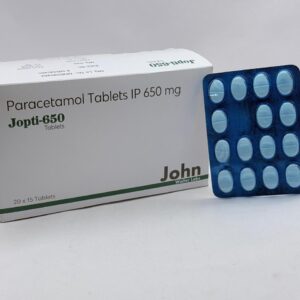
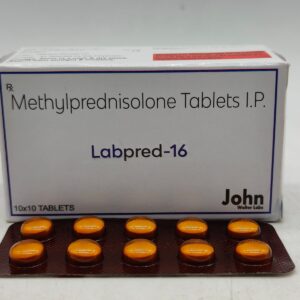
The ripple effects are already visible. Several pharmaceutical units across India have either reduced production or temporarily shut down operations due to fuel shortages. Essential medicines such as paracetamol, vitamins, and hormone-based drugs are among those impacted.
Industry experts warn that if the situation persists, nearly 200 pharmaceutical units could face shutdowns within days. Such a scenario could lead to shortages not only in India but also globally, given the country’s significant role in supplying generic medicines worldwide.
Moreover, the crisis highlights a deeper vulnerability within the pharmaceutical sector—its dependence on a single energy source. Most small and medium-sized drug manufacturers rely entirely on LPG, with limited ability to switch to alternative fuels. This lack of diversification makes the industry highly susceptible to supply shocks.
Recognizing the gravity of the situation, industry bodies have urged the government to take swift action. Recommendations include ensuring uninterrupted LPG supply, granting emergency exemptions similar to those during the COVID-19 pandemic, and creating buffer stocks for critical industries. There is also a growing call to classify pharmaceutical manufacturing as an essential service in energy allocation policies.
Looking ahead, this crisis could serve as a turning point for the industry. It underscores the need for long-term strategies such as energy diversification, adoption of cleaner fuels, and investment in alternative technologies. Building resilient supply chains will be crucial not just for business continuity but for safeguarding public health.
In conclusion, the LPG shortage is more than an industrial challenge—it is a looming healthcare risk. Ensuring a steady fuel supply is not just about keeping factories running; it is about saving lives. As India continues to play a vital role in global healthcare, addressing this issue with urgency and foresight will be critical to maintaining its reputation and responsibility as a trusted pharmaceutical powerhouse.