




As India steps boldly into 2026, the nation’s life sciences sector stands at a significant crossroads. The country has long been recognised as the “Pharmacy of the World”, a global manufacturing powerhouse for affordable medicines. Yet now, the narrative is shifting — from merely producing at scale to innovating with purpose and global impact. This transition isn’t just about policy momentum or economic growth; it hinges on building lasting trust among stakeholders, investors, innovators, and patients alike.
India’s Evolving Life Sciences Landscape
Over the past three decades, India has achieved remarkable progress in public health. Achievements such as the reduction in maternal mortality and tuberculosis deaths underscore the country’s capacity to implement health solutions at scale. The next phase — and arguably the most challenging — is moving from volume-based outcomes to value-driven innovation that can compete on the global stage.
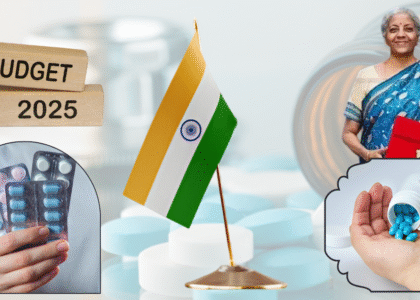
In 2025, India witnessed an openness to policy reforms and ecosystem support never seen before. Strategic initiatives like duty waivers on critical drugs, expansion of medical training seats, and decentralisation of cancer care services have laid the groundwork for a more inclusive and robust healthcare system.
From Scale to Value: The 2026 Imperative
While India’s manufacturing ecosystem remains strong, industry leaders now argue that scale alone isn’t enough. To become a true global innovation hub, India must climb up the value chain — from producing generic drugs to pioneering novel therapies, complex biologics, and cutting-edge diagnostics that redefine global standards. This means:
- Regulatory harmonisation with global standards to accelerate clinical research and enhance credibility.
- Expanding digital infrastructure through initiatives like the Ayushman Bharat Digital Mission to support precision medicine and seamless health data interoperability.
- Encouraging predictability and clarity in IP and regulatory frameworks that attract long-term R&D investments.
These strategic shifts are essential if India wants to transition from a follower to a global leader in life sciences innovation.
Innovation Meets Opportunity
Emerging technologies like artificial intelligence, data analytics, and smart manufacturing are already reshaping how life sciences companies operate. Nearly 95% of manufacturers in the sector are either using or evaluating smart technologies to enhance quality, streamline production, and improve operational resilience.
Moreover, international players are betting big on India’s potential. Major global companies are establishing Global Capability Centers (GCCs) in cities like Hyderabad, positioning India as a research and development hub rather than just a manufacturing base. These centres are increasingly focused on high-value work such as AI-driven discovery, data science, and rapid global product deployment — a sign that innovation is no longer an afterthought but a core focus.
Trust: The Backbone of Transformation
Despite the promising landscape, the leap to a fully developed life sciences ecosystem in 2026 demands more than policies and technologies — it requires trust.
Trust between:
- Government and industry, ensuring stable, transparent regulations.
- Local innovators and global partners, enabling collaboration without fear of exploitation.
- Healthcare providers and patients, reinforcing that cutting-edge treatments are safe, effective, and accessible.
When trust becomes the foundation of this ecosystem, India can attract deeper global investments, elevate clinical research standards, and nurture homegrown innovations that benefit not just Indians but patients worldwide.
The Broader Healthcare Vision: Inclusive and Forward-Looking
Looking beyond innovation, the broader goal is to build a Viksit (developed) healthcare system — one that balances affordability with breakthrough science. This vision aligns with India’s larger aspirations of inclusive growth, where people from rural districts to metropolitan cities gain access to high-quality care.
Amidst this transformation, opportunities like the PCD Pharma Franchise Opportunity in India are becoming increasingly relevant. Franchise models empower local entrepreneurs to participate in the health ecosystem, expanding access to essential medicines while fostering grassroots economic growth.
Conclusion: A Leap Worth Taking
2026 isn’t just another year on the calendar for India’s life sciences sector — it’s potentially the year of takeoff. With a strong policy environment, technological momentum, global interest, and a trajectory toward innovation-led growth, India’s life sciences ecosystem is poised for a meaningful leap. But achieving this requires more than structural reform; it requires deep, enduring trust that unites every stakeholder on a common path toward better health outcomes and global leadership.
When that trust is in place, the leap won’t just be measured in numbers — it will be felt in healthier lives, empowered communities, and a globally competitive India at the forefront of life sciences innovation.